.svg)
.webp)
.svg)
.svg)
Fairfield Porter: What Everyone Knows

Fairfield Porter, Oak Tree, 1969, Oil on canvas, 22 x 20 in., Gift of Susan S. Small (Susan Spencer, class of 1948). Smith College Museum of Art, Northampton, MA, SC 2017.45.3
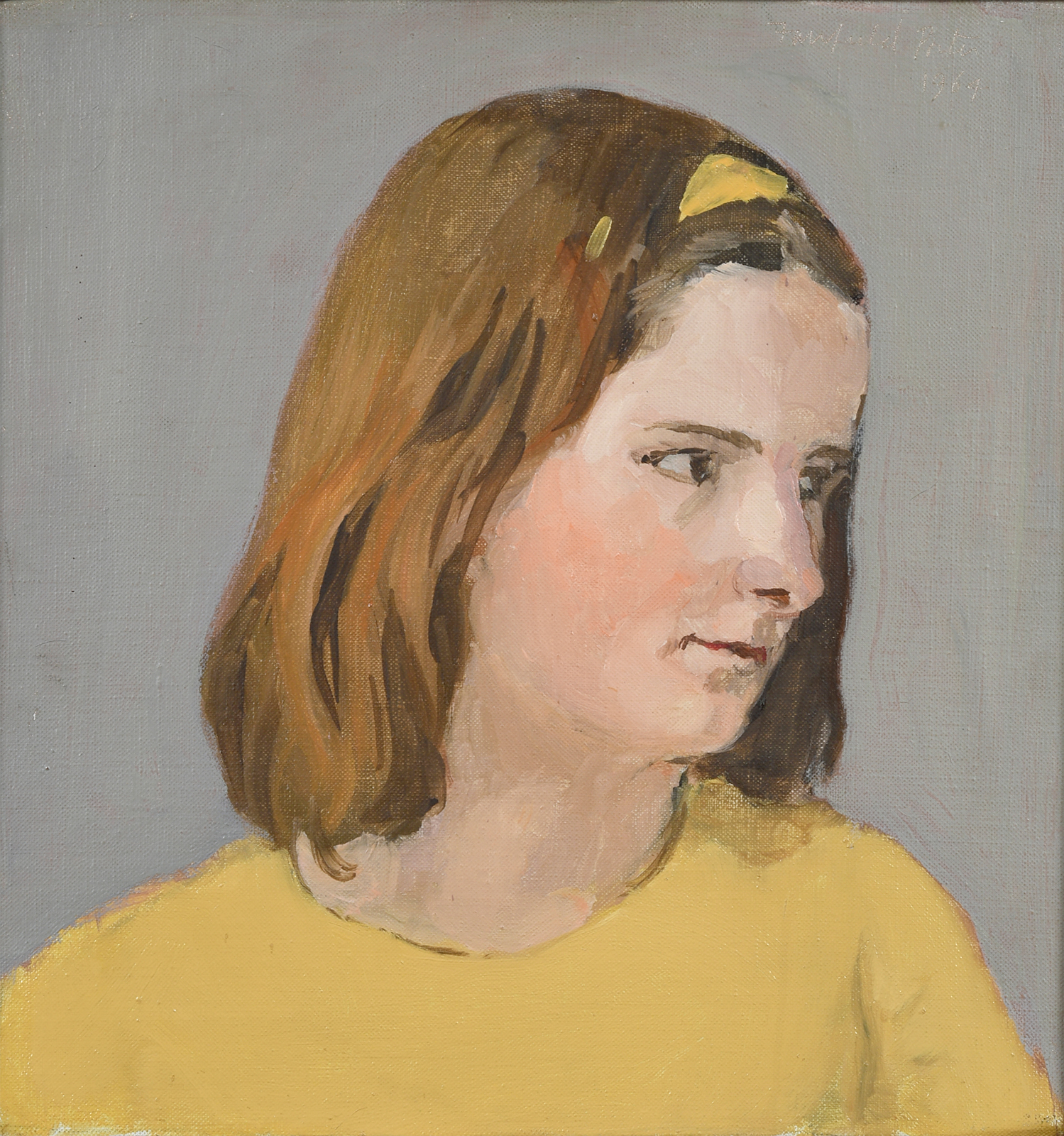
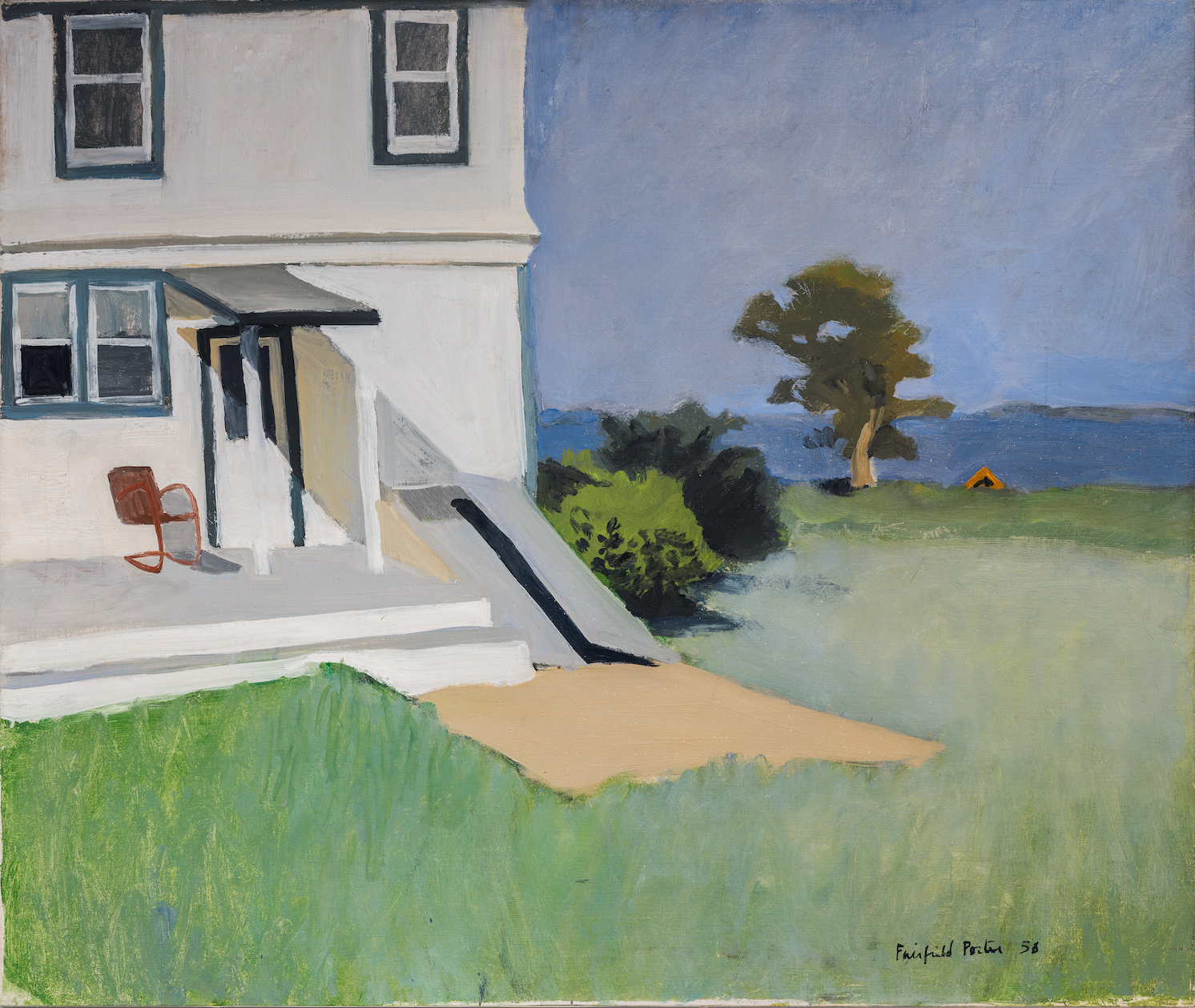
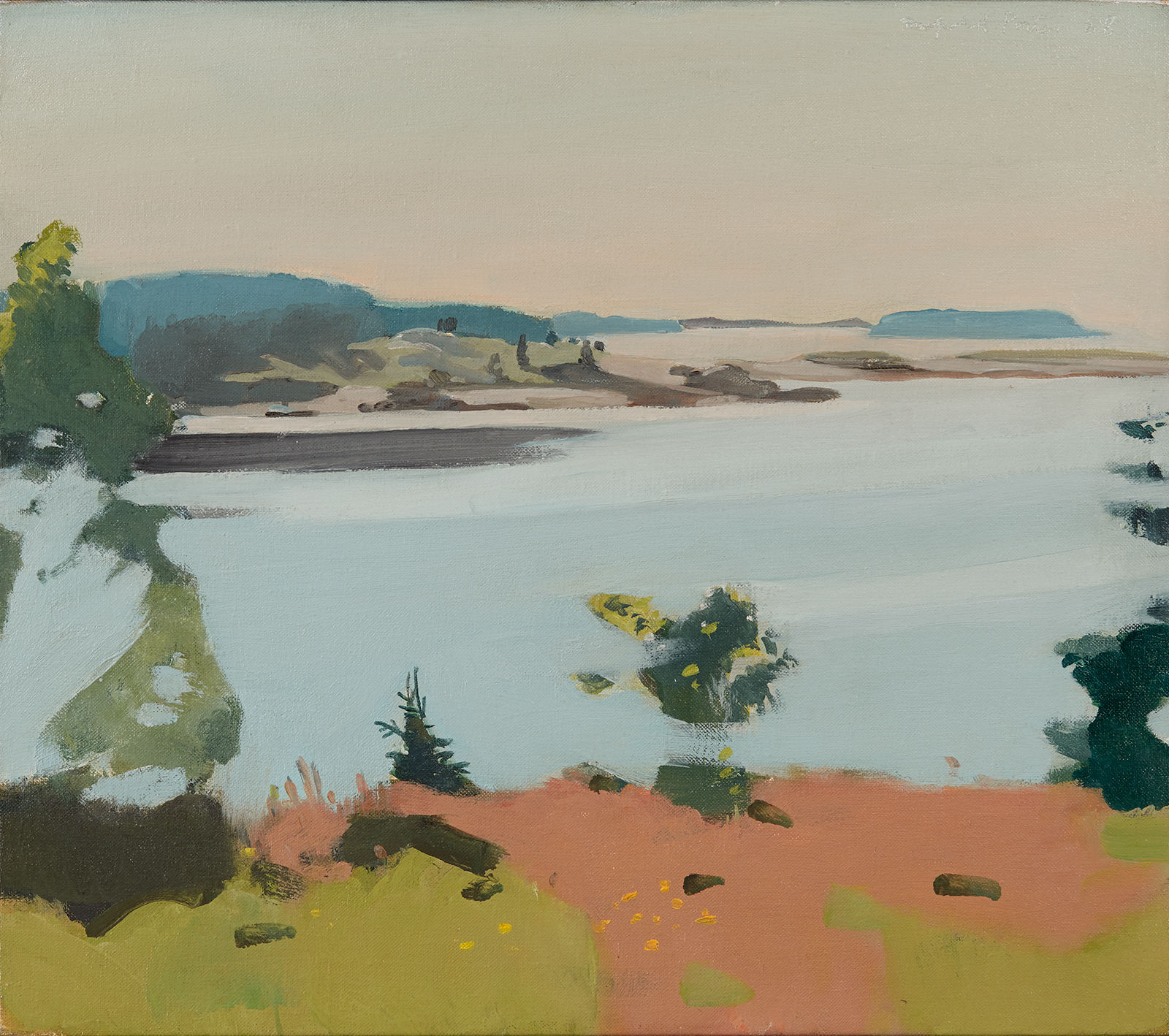
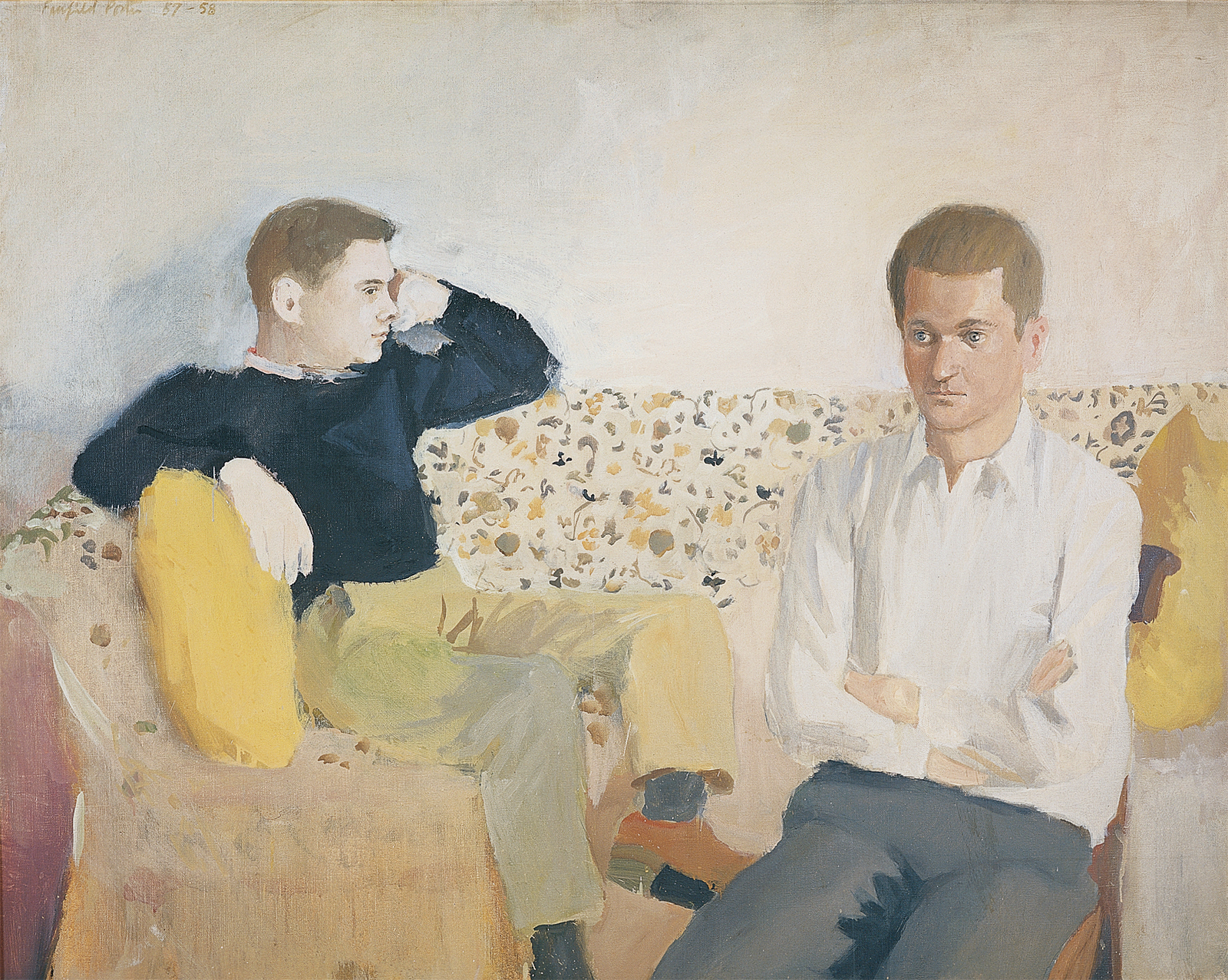
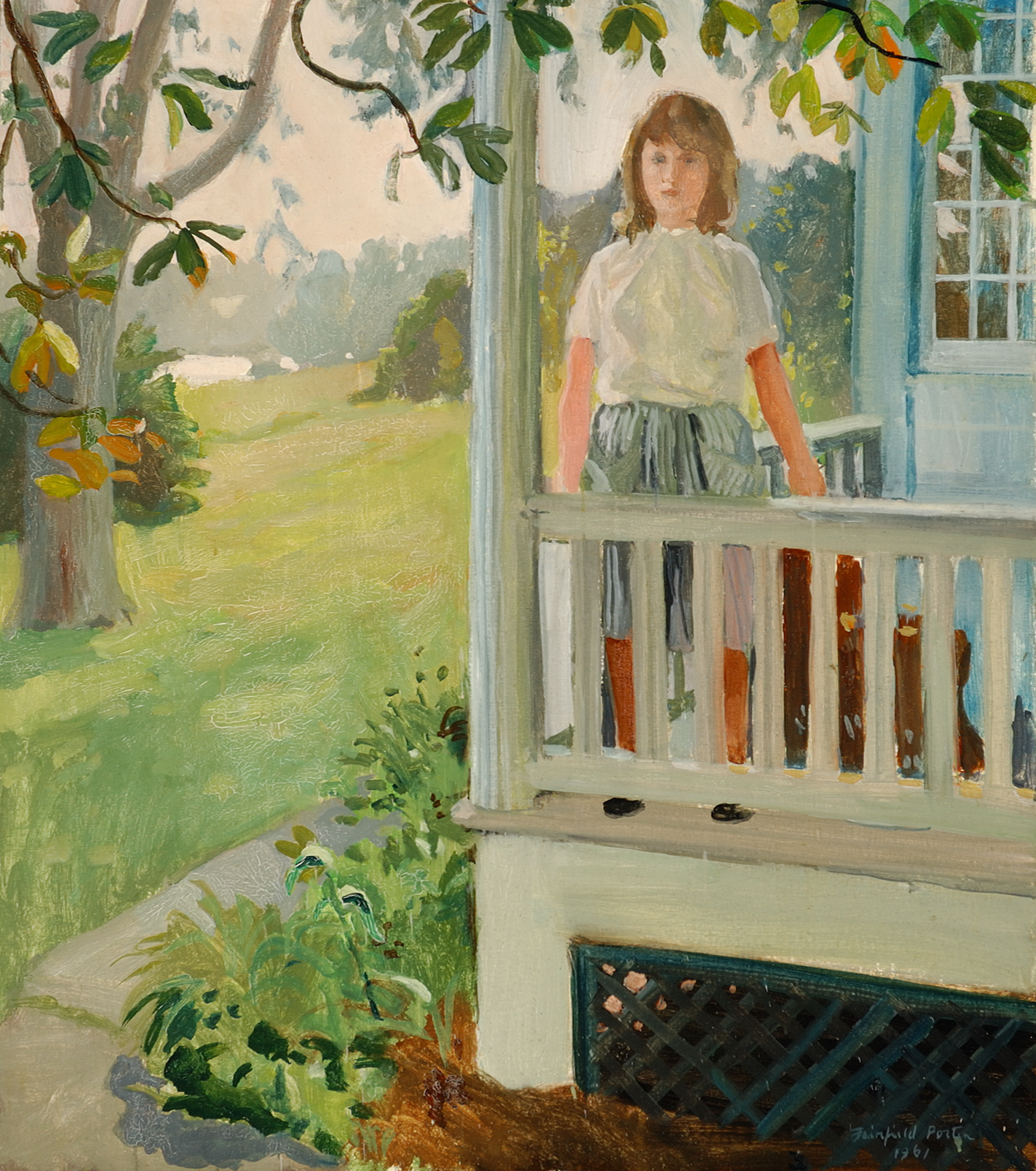
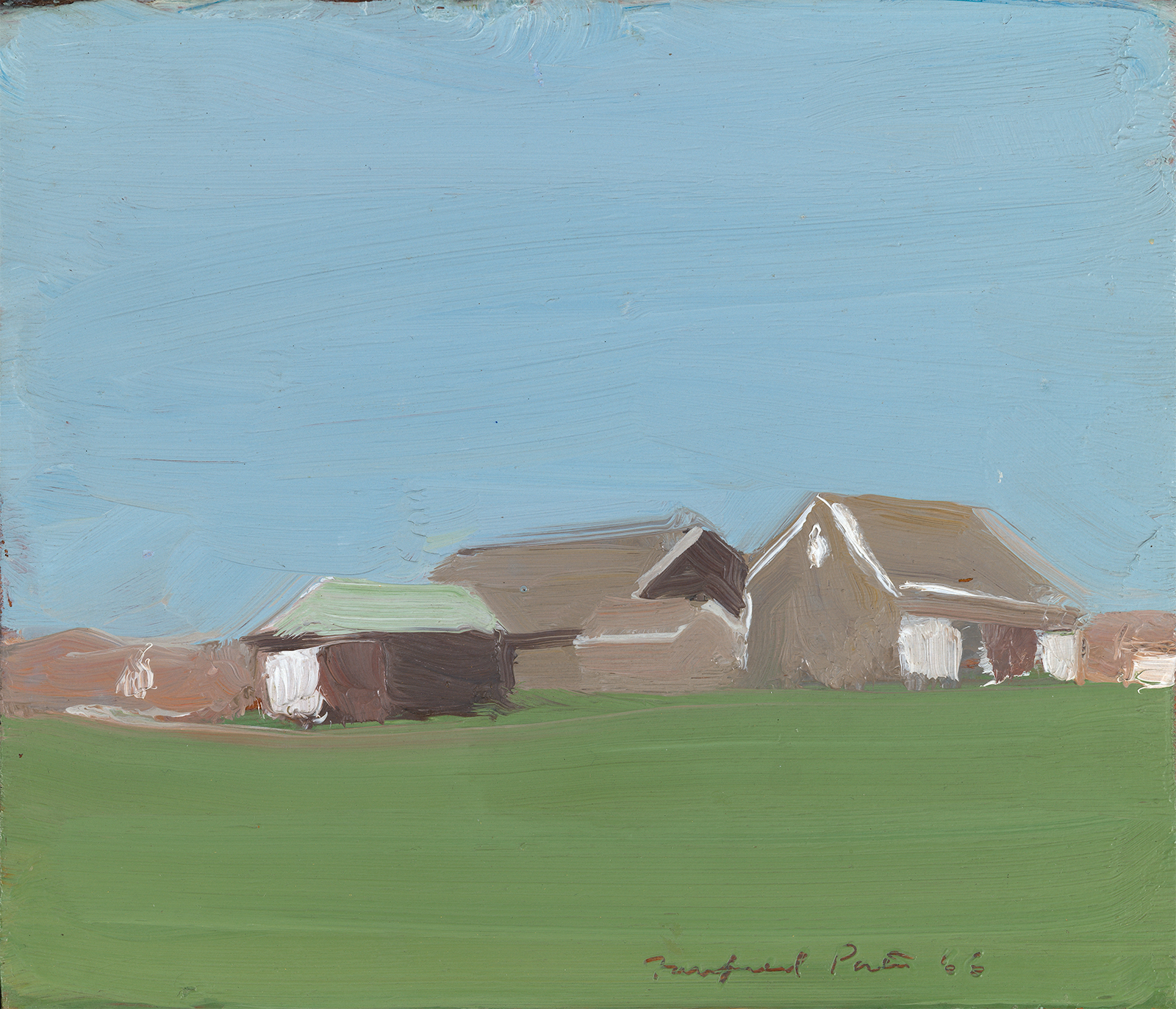
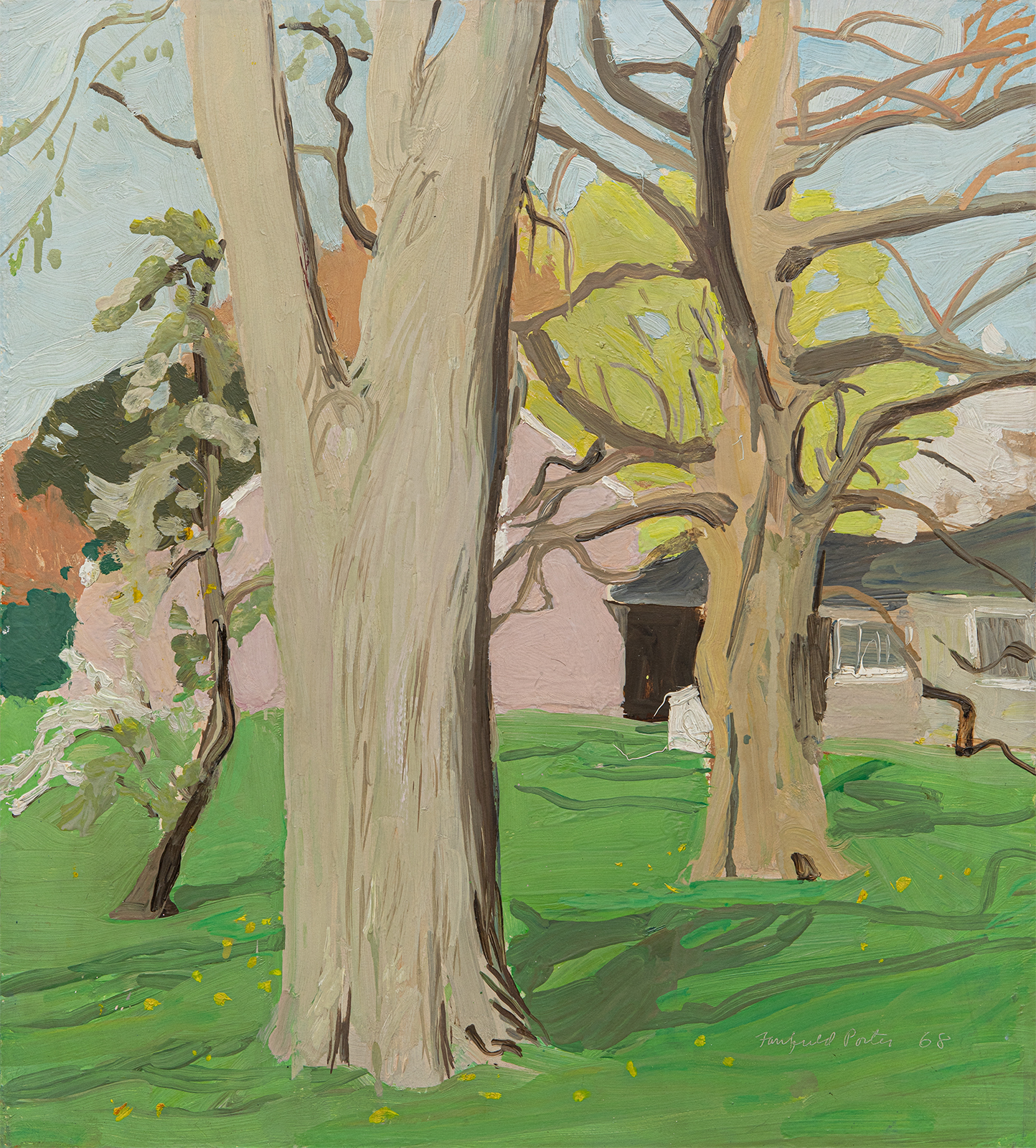
Fairfield Porter: What Everyone Knows is the first large-scale exhibition of the artist’s work in New York City in twenty-five years and the first ever at the Art Students League, where he studied from 1928–1930. Described by John Ashbery in 1983 as “perhaps the major American artist of this century,” Porter (1907–1975) remains an essential if still under-recognized figure whose paintings of shaded lawns, uncleared tables, and briny coasts are both lush and challenging, each motivated by Porter’s fundamental claim: “the real is specific.”
On view June 5–August 18, 2026, the exhibition brings together more than 35 works including key pieces on loan from the Parrish Art Museum, the Whitney Museum of American Art, and private collections, alongside several works from the League’s permanent collection. The exhibition also features rarely seen archival documents and ephemera, providing a survey of Porter’s career with an emphasis on the subtle and demanding empiricism that he developed in his artcritical writing and realized most fully in the paintings themselves.
Porter described that empiricism in a series of intricate essays with provocative titles like “What Is Real,” “The Immediacy of Experience,” “Against Idealism,” and “Art and Knowledge” published in such influential magazines as ARTnews and The Nation. In those essays, Porter carved a distinct path through modernism, distinguishing between the kind of knowledge that was available in art and the kinds that were available in science and philosophy.
Unlike those disciplines, which were concerned with “ideas” and “systems,” Porter argued that art was concerned with “appearances,” visceral sense impressions that were more “concrete” and “particular” than the general principles that preoccupied scientists and philosophers, but also more fleeting and fragile, charged with an enlivening instability that brought fresh volatility to even the most familiar things. As Porter explained, that volatility is something “everyone knows” but “does not dare accept” unless confronted by it in works of art.
Fairfield Porter: What Everyone Knows tracks that volatility in the paintings that Porter made of the things around him: his family and friends; his homes in Southampton and Maine; the rooms where he ate, slept, and read; and the coastal landscapes outside. In addition to locating these works in the context of important artistic movements of the time including strains of realism and abstraction, the exhibition puts them in dialogue with the work of Porter’s colleagues and peers, showing them alongside paintings by his Art Students League instructor Thomas Hart Benton and fellow-student Jackson Pollock, as well as work by Joe Brainard, Jane Freilicher, John Ashbery, Frank O’Hara, and James Schuyler.
Curated by Sam Sackeroff, Gallery Director and Curator of Exhibitions and Programs at the Art Students League, Fairfield Porter: What Everyone Knows will be accompanied by an illustrated catalogue featuring essays by Sackeroff and Alexander Nemerov, Carl and Marilynn Thoma Provostial Professor in the Arts and Humanities at Stanford University. The exhibition will also be supported by programs exploring aspects of Porter’s practice including the relationship between his art and his criticism, his role in twentieth-century debates about realism and abstraction, and his association with New York School poetry.
Digital Wall Labels
Exhibition Catalog
Related Programs
- Artist Talk with Jake Longstreth | June 9, 6–7:30 PM
- An Evening with Eileen Myles & James Schuyler & Fairfield Porter | June 22, 6–7:30 PM
- “The best criticism is simply the best description” Poetry, Ekphrasis, and Art Writing in the New York School | June 26, 6–7:30 PM
- Artist Talk with Maureen Gallace | July 20, 6–7:30 PM
- Artist Talk with Seth Becker | August 10, 6–7:30 PM
Gallery Hours
Monday – Friday: 10 am – 7 pm
Saturday: 10 am – 4 pm
Sunday: Closed
Press
Gallery




.svg)
Related Events
We host exhibitions, lectures, panels, and films featuring renowned artists, curators, and other art experts. Explore more events and exhibitions below.